
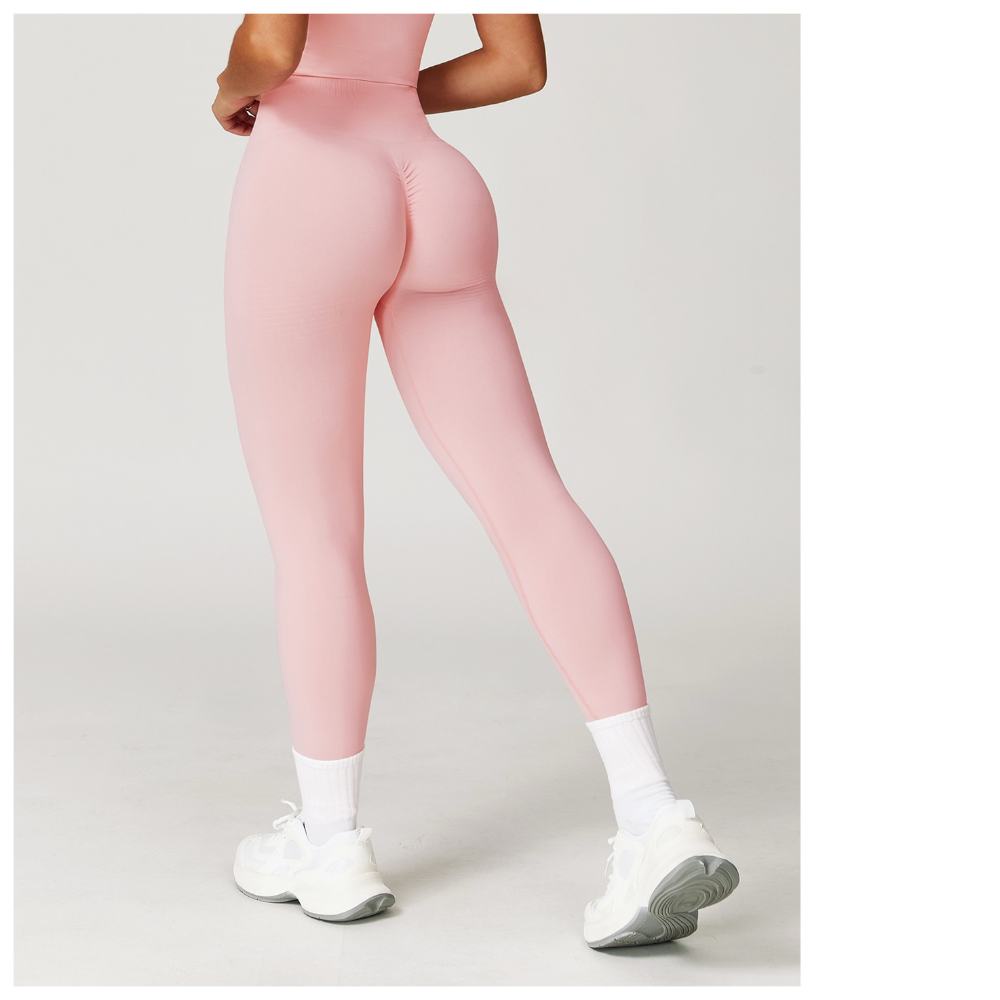
Walk into any gym today and you’ll notice one thing almost everyone has in common: leggings. They’ve become the go-to choice for workouts, errands, and everything in between. But not all leggings are created equal, and if you’ve ever bent over for a squat only to feel fabric go see-through, or finished a run with leggings sliding down your hips, you already know that fit and fabric matter more than color or brand name. Knowing how to choose the right leggings for your workout can be the difference between a comfortable, confident session and a distracting wardrobe malfunction.
In this guide, we’ll break down everything you need to know about squat-proof fabric, compression technology, and everyday fit — so the next time you shop, you’ll know exactly what to look for.
It’s easy to assume leggings are leggings. But the truth is, your choice of workout leggings can directly affect your performance, comfort, and confidence. Thin, low-quality fabric can become see-through during stretches. Poor compression can leave muscles feeling fatigued faster. And a bad waistband can mean constant tugging mid-workout instead of focusing on your form.
Understanding how to choose the right leggings for your workout means matching the fabric, fit, and function to the type of activity you’re doing — whether that’s heavy lifting, yoga, running, or simply running errands after the gym.
If there’s one feature that separates budget leggings from quality activewear, it’s whether they’re squat-proof. Squat-proof leggings are designed with a thicker, four-way stretch fabric that doesn’t thin out or become transparent when you bend, squat, or stretch.
This is one of the most searched concerns among gym-goers, and rightfully so — nobody wants to worry about visibility while lifting. When learning how to choose the right leggings for your workout, squat-proof quality should be at the very top of your checklist if you do any strength training or floor work.
Compression leggings aren’t just a trend — they serve a real physiological purpose. These leggings apply graduated pressure to your muscles, which can improve blood circulation, reduce muscle vibration during high-impact movement, and potentially speed up recovery.
When choosing compression leggings, pay attention to the compression zones — quality brands often target the calves, thighs, and glutes differently based on activity needs. If you’re serious about performance, this is a key part of understanding how to choose the right leggings for your workout, especially for endurance-based training.
Not every legging needs to be built for heavy squats or marathon training. Many people want leggings that transition seamlessly from a workout to running errands, meeting friends, or lounging at home. This is where everyday fit comes in.
Everyday leggings prioritize comfort and versatility over intense performance features, but that doesn’t mean you should sacrifice quality. A good pair should still hold its shape after multiple washes and not pill or sag over time.
Since there’s no single “best” legging for every activity, it helps to break things down by workout style:
This approach to how to choose the right leggings for your workout ensures you’re not just buying based on looks, but based on actual functional needs.
Understanding fabric composition can save you from disappointing purchases. Here’s a quick breakdown:
Always check the spandex percentage — leggings with at least 10-20% spandex tend to offer better stretch recovery, meaning they bounce back to shape instead of sagging after wear.
The waistband can make or break your workout experience. A poorly designed waistband rolls down during movement, while a high-quality one stays put and offers support.
No matter how squat-proof or compression-focused a legging is, if the size is wrong, none of those benefits matter. When learning how to choose the right leggings for your workout, keep these sizing tips in mind:
Even the best leggings will wear out faster with improper care. Follow these tips:
Taking care of your leggings ensures they maintain their squat-proof and compression qualities for longer, saving you money in the long run.
At the end of the day, learning how to choose the right leggings for your workout comes down to understanding your specific needs — whether that’s squat-proof coverage for strength training, compression support for endurance activities, or everyday comfort for casual wear. The right pair should feel like a natural extension of your body, allowing you to move confidently without constantly adjusting or worrying about visibility.
Next time you shop, don’t just grab the first pair that looks stylish. Check the fabric, test the stretch, consider your workout type, and prioritize fit. When you know how to choose the right leggings for your workout, you’re not just buying activewear — you’re investing in comfort, performance, and confidence that lasts through every rep, run, and errand.