
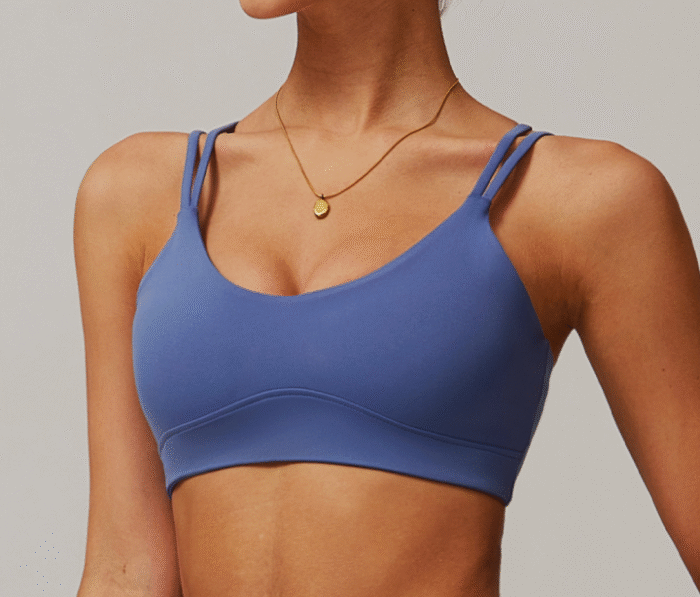
Choosing the right sports bra is one of the most important decisions you can make for your workouts. This Sports Bra Fit Guide will help you understand how different sports bras provide support for different activities and why wearing the correct fit improves both comfort and performance. Whether you’re lifting weights, practicing yoga, or running a marathon, this Sports Bra Fit Guide will help you select the ideal support level.
A proper Sports Bra Fit Guide ensures your sports bra provides enough support without causing discomfort. Many women unknowingly wear the wrong size, leading to shoulder pain, back pain, and restricted movement. Following a reliable Sports Bra Fit Guide helps reduce breast movement, prevents chafing, and allows you to train with confidence.
Benefits include:
Using this Sports Bra Fit Guide before purchasing your next sports bra can save you time, money, and discomfort.
One of the first lessons in this Sports Bra Fit Guide is understanding workout intensity.
High-impact exercises involve significant body movement and require maximum breast support.
Examples include:
A high-impact sports bra should minimize bounce while keeping you comfortable.
Low-impact workouts involve controlled movement and require lighter support.
Examples include:
For these activities, this Sports Bra Fit Guide recommends flexible sports bras that allow natural movement while providing gentle support.
An essential part of every Sports Bra Fit Guide is measuring yourself accurately.
Wrap a measuring tape around your rib cage directly beneath your bust. Ensure the tape remains level.
Measure around the fullest part of your chest without pulling the tape too tightly.
Subtract your band measurement from your bust measurement to determine your cup size.
Following this Sports Bra Fit Guide ensures you select the correct size before shopping.
A quality Sports Bra Fit Guide says your sports bra should:
If your bra meets these requirements, you’ve found the right fit.
This Sports Bra Fit Guide also explains common fitting mistakes.
Your sports bra may be too small if:
It may be too large if:
Recognizing these issues can prevent discomfort and improve workout performance.
According to this Sports Bra Fit Guide, high-impact activities require maximum support.
Look for:
These features help reduce movement during intense exercise.
For yoga and stretching, this Sports Bra Fit Guide recommends sports bras that focus on flexibility and comfort.
Ideal features include:
These bras allow unrestricted movement while maintaining gentle support.
Many women ignore simple advice found in every Sports Bra Fit Guide.
Avoid these mistakes:
Most sports bras should be replaced after 6–12 months of regular use.
To extend its lifespan, this Sports Bra Fit Guide recommends:
Proper care helps maintain elasticity and support.
Another important tip from this Sports Bra Fit Guide is knowing when it’s time for a replacement.
Replace your sports bra if you notice:
A worn-out sports bra cannot provide the protection needed during exercise.
Choosing the right sports bra isn’t just about comfort—it’s about protecting your body and improving your performance. This Sports Bra Fit Guide shows that selecting the correct level of support depends on the type of workout you perform. High-impact activities require maximum support, while low-impact exercises benefit from flexible, lightweight designs.
By following this Sports Bra Fit Guide, measuring yourself correctly, choosing the appropriate support level, and replacing your sports bra when needed, you’ll enjoy safer, more comfortable, and more effective workouts every time.
A Sports Bra Fit Guide helps women choose the correct sports bra size and support level based on their body measurements and workout intensity.
A high-impact sports bra with maximum support, adjustable straps, and moisture-wicking fabric is ideal for running.
It’s better to choose different support levels. A Sports Bra Fit Guide recommends high-support bras for intense workouts and lighter-support bras for yoga or walking.
A sports bra should feel snug but allow you to breathe comfortably. It should support your chest without causing pain or restricting movement.
If you exercise regularly, replace your sports bra every 6–12 months or sooner if it loses elasticity or support.