
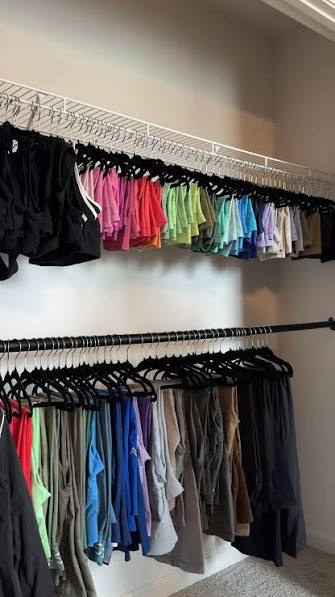
Somewhere between an overflowing gym bag and a drawer full of leggings you never reach for, most of us make the same mistake: buying more workout clothes instead of buying them better. A thoughtfully built activewear wardrobe fixes that. Instead of a random pile of tanks, joggers, and jackets, you end up with a small, coordinated set of pieces that layer well, match effortlessly, and move with you from the gym floor to the rest of your day.
This guide walks through exactly how to build one — starting with matching sets, moving through smart layering, and finishing with the gym-to-street pieces that tie the whole system together.
A capsule wardrobe is a curated collection of clothing built around versatility instead of volume — a handful of pieces designed to mix, match, and multiply into far more outfits than the item count suggests. Apply that same logic to your workout clothes and you get an activewear wardrobe: a tight edit of leggings, tops, jackets, and shoes chosen specifically because they work together, not just individually.
The math is simple. Five tops, three bottoms, and two layering pieces don’t just give you ten outfits — they give you closer to thirty, because every piece is designed to pair with almost every other piece. That’s the entire point of the capsule approach: fewer items, more outfits, and no more mornings spent staring at a closet full of things that don’t go together.
Matching activewear sets — a top and bottom cut from the same fabric in the same colorway — are the fastest way to lay a foundation. They remove the guesswork from getting dressed and instantly look more put-together than mismatched pieces, with zero extra styling effort required.
A few tips for choosing sets that will actually earn their place in rotation:
Because the pieces are cut to work together, matching sets also become the anchor around which everything else in your activewear wardrobe gets layered.
Layering is what turns a handful of matching sets into a collection that works across seasons, weather, and settings. The goal isn’t to add bulk — it’s to add function and versatility without losing the silhouette that made the set work in the first place.
Think of activewear layering in three parts:
1. The base layer. This is your matching set — the tank, tee, or sports bra and legging combination everything else sits on top of. It should fit close to the body and manage moisture well, since it does the most direct work against your skin.
2. The mid layer. A zip-up, a lightweight hoodie, or a fitted long-sleeve goes here. This is usually the piece that adds warmth for cooler studio classes or outdoor runs, and it’s the layer that transitions a look from “workout” to “everyday.”
3. The outer layer. A packable jacket or vest handles wind, rain, or a genuine cold snap. Choose one in a neutral shade so it sits on top of any set in your rotation without a second thought.
A well-planned activewear wardrobe usually needs only two or three layering pieces total: one lightweight zip-up, one warmer jacket, and maybe a vest for in-between days. Because they’re chosen to be neutral and slightly relaxed in fit, each one layers over every matching set you own.
The single biggest upgrade you can make is prioritizing gym-to-street pieces — items built to look intentional outside the gym, not just functional inside it. This is the athleisure principle in action: clothes engineered for performance that look just as at home on the street. These are the pieces that let you skip the outfit change between a workout and the rest of your day.
Look for these qualities when shopping for gym-to-street pieces:
A few gym-to-street staples worth prioritizing: a tapered jogger, an oversized quarter-zip, a structured bomber-style jacket, and a clean pair of trainers that don’t scream “running shoe.” These are the pieces that quietly do the most work in stretching a capsule wardrobe beyond the gym doors.
The fabric you choose affects how well pieces mix across the collection. Moisture-wicking synthetic blends — polyester-spandex, nylon-elastane — are the standard for high-intensity training, but they can read as too “sporty” for gym-to-street wear. Cotton blends or brushed, sueded finishes soften that look and hold up better for everyday wear, though they won’t perform quite as well during a hard sweat session.
A practical rule: keep true training pieces — the ones worn only for workouts — in high-performance synthetic fabric, and lean toward cotton blends or fleece for anything meant to double as street style. This single decision does more to make an activewear wardrobe feel cohesive than color-matching ever will.
If you’re starting from scratch, here’s a simple framework for your first activewear essentials:
That’s roughly 10-12 pieces total, yet the combinations they create are nearly endless. As you wear this initial edit, pay attention to what actually gets reached for and what sits untouched — that feedback is the fastest way to refine version two of your capsule.
Even a well-intentioned activewear wardrobe can go off track. A few patterns worth watching for:
A smaller rotation only works if the pieces hold up. Wash performance fabrics in cold water, skip the fabric softener (it coats moisture-wicking fibers and reduces their function), and air-dry where possible to protect elastane and preserve fit. Rotating pieces evenly, rather than reaching for the same two sets on repeat, also spreads out wear and extends the life of the whole collection.
How many pieces does a capsule activewear wardrobe need? Most capsules work well with 10-15 pieces: a few matching sets, two or three layering pieces, one or two gym-to-street bottoms, and a single versatile pair of trainers.
Can matching sets really be worn outside the gym? Yes, especially when the fabric and cut lean toward an elevated, tailored look rather than bright, purely performance-driven styling.
How often should activewear pieces be replaced? Performance fabrics typically hold their stretch and moisture-wicking properties for 6-12 months of regular wear. Check elastane and seams periodically and replace pieces once they lose shape or compression.
A capsule activewear wardrobe isn’t about restriction — it’s about intention. By starting with matching sets, layering thoughtfully, and prioritizing gym-to-street pieces that pull double duty, you end up with fewer clothes that work harder, look better, and actually get worn. Once it’s built, getting dressed — for a workout or for the day that follows it — stops being a decision and starts being automatic.