
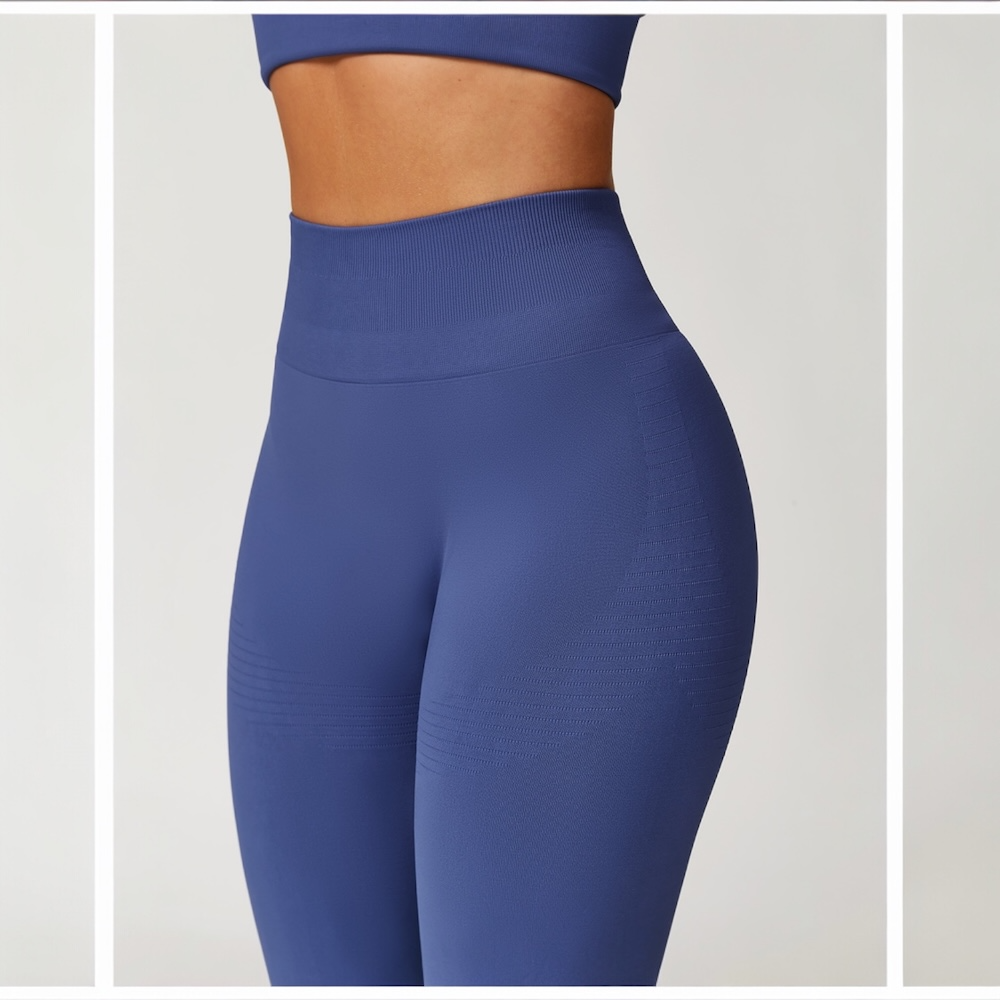
Whether you’re hitting the gym for the first time or you’re a seasoned athlete, one question keeps coming up: does it really make a difference what you wear? The debate of activewear vs regular clothing is more than just a fashion conversation — it directly impacts your performance, comfort, and even your safety during exercise.
In this guide, we break down exactly why proper fitness wear matters and help you understand when to leave the old cotton T-shirt in the drawer.
Activewear vs regular clothing starts with understanding what separates the two. Activewear — also called athletic wear, performance wear, or fitness apparel — is clothing engineered specifically for physical movement. It uses technical fabrics, ergonomic cuts, and functional features designed to support the body during exercise.
Regular clothing, on the other hand, is designed for everyday aesthetics and general comfort — not for squats, sprints, or HIIT sessions.
The case for activewear vs regular clothing isn’t just marketing hype. Here are the real, evidence-backed reasons why proper fitness wear matters:
Technical activewear pulls sweat away from your skin, reducing irritation and overheating. Cotton absorbs and holds moisture — leaving you heavy, cold, and uncomfortable mid-workout.
When comparing activewear vs regular clothing, stretch is everything. 4-way stretch fabrics flex with your body — no binding at the knees, hips, or shoulders during lifts, lunges, or yoga.
Compression activewear supports muscles and joints, improving blood circulation and reducing delayed onset muscle soreness (DOMS). This is one of the biggest reasons proper fitness wear matters for serious athletes.
From thermal base layers to ventilated mesh panels, activewear is built to keep your core temperature optimal — whether you’re running outdoors in winter or cycling in the summer heat.
Studies show that what you wear affects your mindset. Putting on quality activewear vs regular clothing signals to your brain it’s time to perform — a subtle but real psychological edge.
Quality fitness wear is built to withstand repeated washing, stretching, and friction. Regular clothes break down faster under workout conditions — costing you more in the long run.
Not every workout demands the same gear. Here’s how the activewear vs regular clothing debate plays out by activity:
This is where proper fitness wear matters most. Moisture-wicking shorts, compression tights, and breathable tops prevent chafing, regulate heat, and support joints during high-impact movement. Running in jeans or a heavy cotton tee dramatically increases discomfort and injury risk.
Flexibility is king here. When comparing activewear vs regular clothing for the gym floor, athletic shorts and fitted tees allow full range of motion on deadlifts, squats, and overhead presses — while regular clothes restrict and constrict.
Fitted, four-way-stretch activewear is essentially non-negotiable. Baggy regular clothing bunches, slips, and impedes your instructor’s ability to see and correct your form.
Padded cycling shorts and aerodynamic jerseys show exactly why proper fitness wear matters — reducing friction, improving comfort on the saddle, and cutting wind resistance over long distances.
Myth 1: “Any old T-shirt works for the gym.” — Cotton absorbs sweat and becomes heavy, restricts movement, and can cause skin irritation over time.
Myth 2: “Activewear is just for athletes.” — Even casual gym-goers benefit enormously from the ergonomic design and technical fabrics of modern fitness wear.
Myth 3: “Price always equals quality.” — There are excellent mid-range options. What matters in the activewear vs regular clothing conversation is fabric technology and fit, not a designer logo.
Now that you understand why proper fitness wear matters, here’s what to look for when shopping:
Look for moisture-wicking or quick-dry fabrics like polyester blends, nylon, or spandex. Check for flatlock seams to prevent chafing. Prioritize UPF protection for outdoor training. Make sure the fit is snug but not restrictive — especially for high-intensity activities. And always consider the specific activity: compression tights for running, loose-fit for lifting, grip-sole socks for yoga.
The answer is clear. The debate of activewear vs regular clothing isn’t a close one when performance, safety, and comfort are on the line. Proper fitness wear matters because it’s engineered for the demands your body faces during exercise — something regular everyday clothing simply cannot match.
Whether you’re a daily runner, a weekend warrior, or just starting your fitness journey, investing in quality activewear vs regular clothing is one of the smartest upgrades you can make. Your body — and your performance — will thank you.