
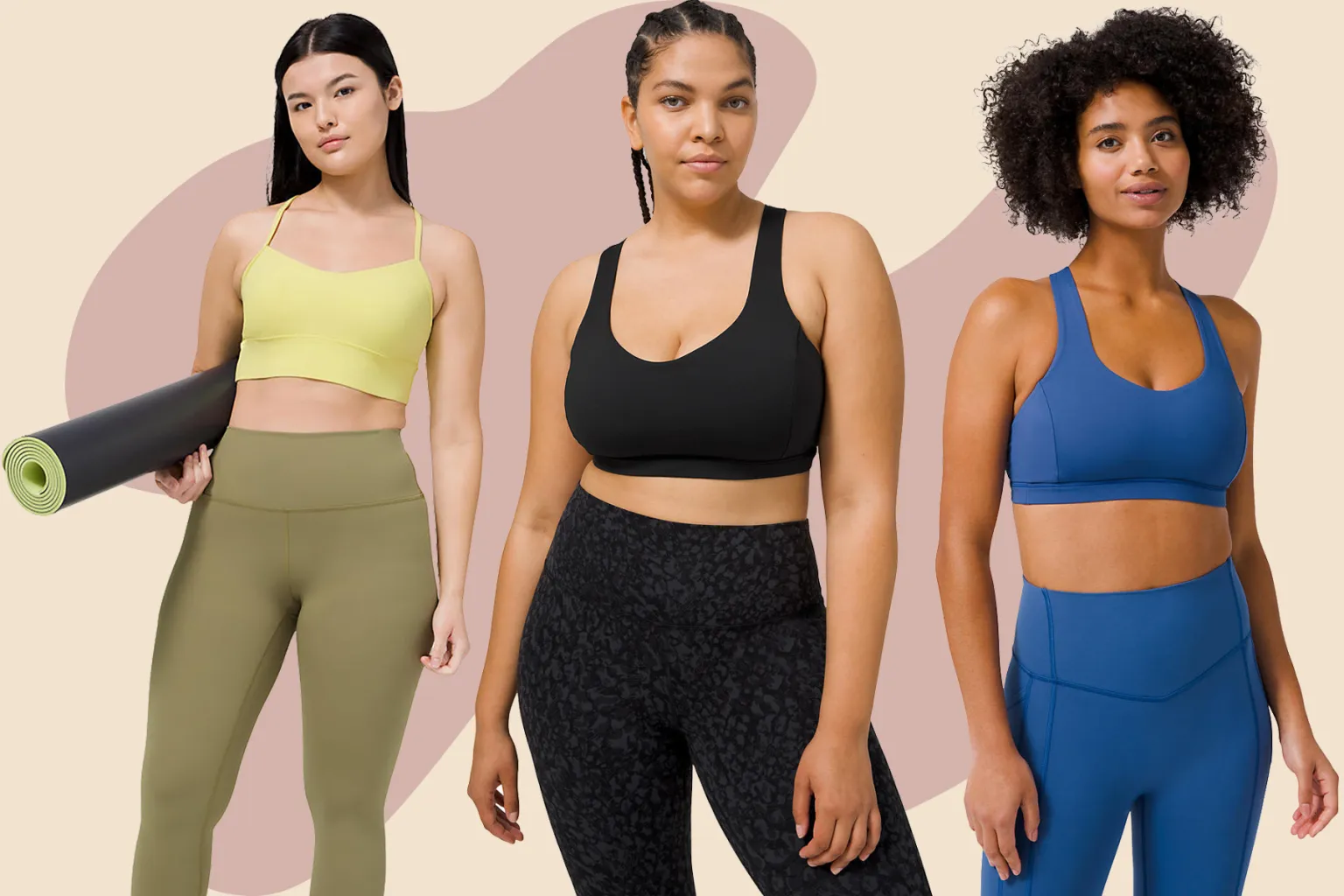
In contemporary streetwear, fit defines identity. The debate between oversized vs regular fit is more than a matter of preference; it shapes silhouette, comfort, and how garments interact with movement and layering. This guide breaks down the functional differences, fabric considerations, and styling strategies to help buyers make informed choices depending on climate, body type, and trend longevity.
Fit is the foundation of garment performance and visual coherence. An oversized silhouette emphasizes volume and relaxed proportions; regular fit prioritizes structure and balance. Whether you’re buying tees, hoodies, outerwear, or trousers, the choice between oversized vs regular fit affects how pieces layer, how durable they feel in daily wear, and how they photograph for campaigns or social content.
Silhouette: Oversized garments feature extended body and sleeve lengths, dropped shoulders, and broader chest or waist dimensions. Regular fit follows traditional tailoring lines with set shoulder seams and proportionate lengths.
Movement: Oversized allows greater range of motion and airflow; regular fit offers more predictable drape and less fabric bunching during activity.
Proportion: Oversized creates a design-forward statement that can read casual or avant-garde; regular fit reads timeless and versatile.
Sizing philosophy: Oversized often requires sizing according to desired volume (e.g., sizing up for more drape), while regular fit leans on true-to-measure sizing.
Fabric Weight and Hand: Practical Considerations
Fabric weight significantly influences how oversized vs regular fit behave. Heavier fabrics can support volume without collapsing; lightweight fabrics risk looking shapeless when oversized.
Lightweight knits and cottons (120–180 g/m²): Best for regular fit tees and layering baselayers. In oversized styles, these fabrics can create a slouchy look that may lose structure.
Midweight fabrics (180–280 g/m²): Ideal for most streetwear hoodies and tees where you want a balance between structure and comfort. Midweight is flattering in both oversized and regular fits.
Heavyweight fabrics (280+ g/m²): Provide structure for oversized outerwear and sweatshirts, maintaining silhouette without excessive flutter. Heavyweight denim and canvas work well for oversized jackets and trousers.
Fabric hand (the way a fabric feels and drapes) matters as much as gram weight. Stiff weaves maintain boxy oversized shapes; soft, drapey fabrics yield fluid oversized silhouettes. For regular fit, choose fabrics that retain tailored lines—medium stiffness with slight stretch for mobility.
Know your baseline: Measure chest, shoulder width, sleeve length, waist, and inseam. Compare these to sizing charts rather than relying on “S/M/L” labels.
If you prefer an oversized look, identify how much extra room you want: 2–4 inches in chest circumference for a subtle oversized fit, 6+ inches for a dramatic, trend-forward statement.
Try different brands: “Oversized vs regular fit” varies widely by label—some brands’ regular fits are roomier than others’ oversized.
Try on and move: Walk, raise your arms, sit. Check for seam placement (shoulder seams dropped intentionally on oversized garments; aligned on regular fit).
T-shirts: Regular fit tees are foundational and easier to layer; oversized tees pair well with tailored bottoms or slim jeans to balance proportion. For streetwear, oversized vs regular fit tees can be rotated by occasion—regular for polished looks, oversized for weekend or editorial styling.
Hoodies and sweatshirts: Oversized hoodies create a strong streetwear silhouette, especially when made from mid-to-heavyweight fleece. Regular fit hoodies work for everyday wear and layering under jackets.
Outerwear: Oversized jackets allow for layering underneath, such as hoodies or blazers, while regular fit outerwear emphasizes shape and can appear more refined.
Trousers and jeans: Regular fit trousers sustain clean lines; oversized (wide-leg or relaxed) trousers deliver a contemporary street aesthetic. Pay attention to rise and hem finish to avoid proportions that overwhelm.
Tailoring and structure: Pairing oversized tops with structured jackets or tailored trousers can produce a fashion-forward contrast; conversely, oversized on oversized risks looking sloppy unless intentionally styled (e.g., coordinated volumes and textures).
Hot climates: Regular fit in breathable, lightweight fabrics will be more comfortable. If choosing oversized, prioritize natural, absorbent materials and lighter weights.
Cold climates: Oversized layering wins when warmth and layering are priorities. Heavyweight fabrics keep silhouette while providing insulation.
Active days: Choose regular fits with stretch or articulated panels for mobility. Oversized garments risk catching or snagging during physical activities.
Durability: Heavier fabrics and reinforced seams maintain shape in oversized garments. Regular fits in lighter fabrics may wear faster if repeatedly stressed at seams.
Washing: Follow garment care labels. Oversized garments with more fabric surface area may take longer to dry—use low-heat drying when safe to prevent shrinkage.
Storage: Hang structured oversized outerwear to maintain shape; fold heavier sweaters to avoid stretching shoulder seams.
Alterations: Consider hem adjustments or sleeve tapers for oversized pieces if you want a hybrid silhouette. For regular fit garments, minor tailoring can elevate fit with minimal cost.
Cultural and Market Context
The modern streetwear market treats oversized and regular fit as equally legitimate aesthetics. Oversized styles often signal trend-forward or subcultural affiliation, while regular fit communicates timeless utility and adaptability across contexts. Brands increasingly offer both fits in core categories to capture broad consumer demand. For buyers and brands alike, understanding the interplay between oversized vs regular fit helps predict lifecycle and resale value—timeless regular fits often retain appeal, while oversized trend pieces may spike and fall with fashion cycles.
Balanced look: Oversized hoodie, slim tapered jeans, minimal sneakers. This balances volume on top with taper below.
Monochrome regular: Regular fit tee, straight-leg chinos, structured jacket. Creates a polished, editorial-ready outfit.
Layered statement: Oversized tee under a slightly oversized jacket with cropped trousers—works when lengths are intentionally graduated to avoid bulk at the hemline.
Measure before you buy; compare with size charts.
Check fabric weight and hand to predict how the garment will sit.
Decide desired volume: subtle (2–4” extra), pronounced (6”+).
Consider climate and activity when choosing oversized vs regular fit.
Inspect seams and construction for durability, especially on oversized pieces.
Plan proportions across top-to-bottom to avoid overwhelming your frame.
Choosing between oversized vs regular fit comes down to intention: volume and statement versus structure and versatility. Fabric weight, hand, and construction determine whether a chosen fit will perform and endure. For streetwear buyers, a mix of both fits—selected with attention to proportion, fabric, and lifestyle—offers the most flexible, enduring wardrobe.