
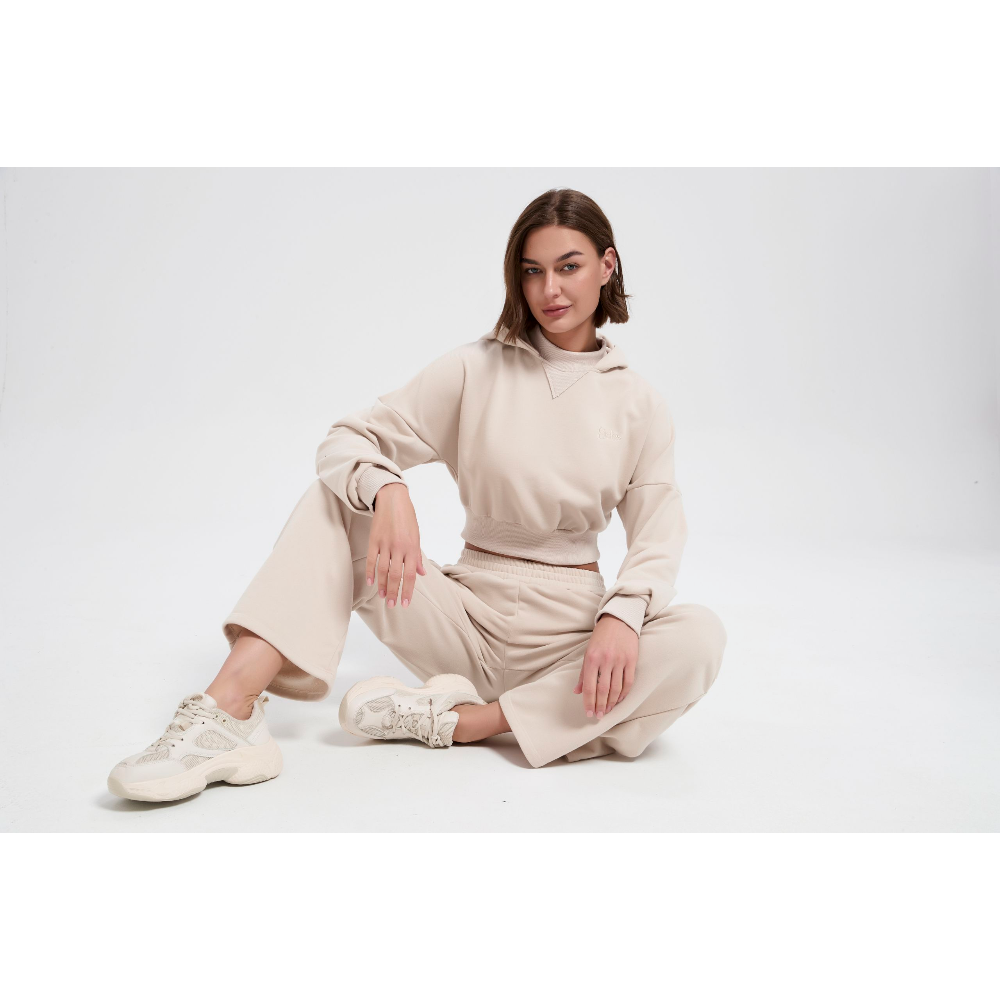
Choosing what to wear for the gym, yoga studio, Pilates class, or a weekend walk is no longer just about style and performance. More women are looking closely at how their clothing is made, what materials are used, and whether brands treat workers and the environment responsibly.
The growing interest in Sustainable Activewear UK reflects this change. Shoppers increasingly want clothing that looks good, performs well, lasts longer, and aligns with more responsible values. Sustainable activewear can include garments made with recycled or lower-impact materials, responsibly sourced fibres, transparent manufacturing practices, durable construction, and thoughtful end-of-life options.
But with so many brands using terms such as eco-friendly, ethical, green, and conscious, it can be difficult to know what genuinely makes women’s activewear more sustainable.
This guide explains what to look for when building a more responsible workout wardrobe in the UK.
Sustainable Activewear UK generally refers to sports and leisure clothing designed with greater consideration for its environmental and social impact.
That consideration can begin with the raw materials and continue through manufacturing, packaging, transportation, use, washing, repair, and eventual disposal.
For example, a pair of leggings might use recycled polyester instead of virgin polyester. Another garment could use organic cotton or a different lower-impact fibre. A responsible brand may also focus on durable construction, transparent suppliers, reduced packaging, or recognised certifications.
However, sustainability is not an all-or-nothing concept.
A garment made from recycled material is not automatically perfect, and a natural fibre is not automatically the most sustainable choice for every type of workout. The most useful approach is to look at the whole product story rather than one marketing claim.
The fashion industry has traditionally relied heavily on synthetic fibres, including polyester and nylon. These materials can offer useful characteristics for activewear, such as stretch, durability, and moisture management, but conventional production can also have environmental costs.
There is also growing concern about textile waste. Recent reporting on Europe’s circular-fashion plans highlights the scale of textile waste and the need for better recycling, product design, and end-of-life systems.
Ethical clothing also considers the people behind the product.
A genuinely responsible approach should encourage shoppers to ask:
These questions can help you move away from fast, disposable fashion and towards a more thoughtful wardrobe.
When shopping for Sustainable Activewear UK, the fabric label is one of the first places to start.
Recycled polyester is commonly used in activewear because it can provide the performance characteristics people expect from sports clothing while making use of existing material rather than relying entirely on virgin polyester.
However, recycled does not mean impact-free. Synthetic garments can still contribute to fibre shedding during washing, and recycling blends at the end of their lives can be complicated.
This is why the percentage of recycled content and the specific certification or evidence behind the claim are worth checking.
Organic cotton can be an attractive choice for everyday activewear, yoga, Pilates, leisurewear, and lighter activities.
It is naturally soft and breathable, making it particularly appealing for clothing worn throughout the day.
Look for recognised standards where relevant rather than relying solely on a label saying “organic.”
Bamboo-based fabrics and regenerated cellulosic fibres can also appear in conscious fashion collections.
However, it is important to understand that “bamboo” clothing can be produced through different processes. The sustainability story depends on how the fibre is processed and what claims the manufacturer can substantiate.
Hemp is another natural fibre that has attracted attention in sustainable fashion because of its durability and versatility.
It may not replace technical performance fabrics for every high-intensity workout, but it can work well in casual activewear, everyday clothing, and relaxed fitness wardrobes.
One of the biggest problems when shopping for ethical clothing is greenwashing.
Greenwashing happens when environmental messaging creates the impression that a product is significantly more sustainable than the available evidence supports.
For example, a brand might prominently advertise one recycled component while providing little information about the rest of the garment or its manufacturing process.
This is why transparency is so important.
A stronger sustainability claim should ideally explain:
Current UK-focused guides similarly recommend looking beyond broad “eco” language and examining materials, durability, chemical considerations, and supply-chain transparency.
Certifications can provide useful information when choosing ethical women’s clothing.
Different certifications address different parts of the production process, so no single logo proves that a garment is perfect.
For example, GOTS is associated with organic textile standards, while OEKO-TEX Standard 100 focuses on testing textiles for harmful substances. The Global Recycled Standard (GRS) can provide information relating to recycled content and associated processing requirements.
The important point is to understand what a certification actually covers.
Don’t simply see a logo and assume it means the entire brand is sustainable.
Instead, ask:
What exactly has been certified?
That simple question can help you make a more informed purchase.
One of the most effective ways to create a more sustainable wardrobe is surprisingly simple: buy fewer pieces and use them for longer.
A cheap pair of leggings that loses its shape after several washes may not provide good value if you need to replace it repeatedly.
A well-made garment with durable stitching, reliable fabric, and a good fit can potentially remain part of your wardrobe for much longer.
Before buying another workout outfit, ask yourself:
Will I genuinely wear this regularly?
If the answer is yes, the purchase is more likely to become a useful part of your wardrobe rather than another forgotten item.
Performance clothing needs to deal with movement, stretching, sweat, washing, and repeated use.
That means durability matters enormously.
When shopping for Sustainable Activewear UK, examine details such as:
A garment that remains comfortable and functional after repeated use can be a smarter long-term purchase.
Sustainable fashion is not simply about buying “green” products. It is also about changing buying habits.
Sustainable clothing still needs to work.
There is little benefit in purchasing an environmentally conscious sports bra if it does not provide the support you need. Similarly, leggings should allow you to move comfortably without constantly adjusting them.
Your activewear should match your activity.
For example:
Yoga and Pilates:
Look for flexible, soft fabrics that allow unrestricted movement.
Running:
Breathability, lightweight construction, support, and moisture management can be important.
Gym training:
Choose fabrics and fits that allow comfortable movement during strength exercises.
Walking and everyday wear:
Comfort, durability, versatility, and easy care may be more important than high-performance features.
A sustainable wardrobe should still make you feel comfortable and confident.
You don’t need dozens of outfits to create a versatile fitness wardrobe.
A smaller collection can often be more practical.
Consider starting with:
Choose neutral or complementary colours if you want maximum flexibility.
You can then mix and match pieces instead of constantly purchasing new outfits.
This approach can be both financially sensible and environmentally responsible.
Buying better clothing is only half the process.
How you wash and care for it also matters.
Always follow the manufacturer’s care instructions, but some general habits can help extend the life of your activewear:
Not every garment needs to go straight into the washing machine after minimal use. If something is still fresh and clean, airing it out may sometimes be enough.
Avoid unnecessarily high temperatures if the garment’s care instructions recommend cooler washing.
Heat can affect elastic fibres and certain technical materials. Air-drying may help extend garment life when appropriate.
Repeated washing can gradually wear down fabrics. Wash your clothing when it genuinely needs cleaning rather than automatically after every short period of wear.
A loose seam or small hole does not always mean the garment needs to be thrown away.
Repairing clothing can keep useful pieces in your wardrobe for longer.
Ethical fashion is broader than environmental sustainability.
It also asks questions about the people involved in making clothing.
This includes issues such as:
A brand that talks openly about where its clothing is produced gives consumers more information with which to make purchasing decisions.
Silence does not necessarily mean unethical practices, but greater transparency generally makes responsible shopping easier.
One common misconception is that sustainable fashion must always cost more.
Some ethically produced garments can have a higher upfront price because responsible materials, better manufacturing, and fairer production can increase costs.
However, price should not be the only consideration.
Think about cost per wear.
A £70 pair of leggings worn 100 times may provide better value than a £25 pair worn five times before losing its shape.
The goal is not simply to buy the cheapest product.
The goal is to buy products that provide meaningful value and remain useful.
Fast fashion can make shopping feel addictive.
There is always another colour, another trend, another collection, and another sale.
This can encourage people to buy clothing they do not really need.
Instead, before purchasing something new, ask yourself:
Do I need it?
Will I wear it regularly?
Does it work with what I already own?
Is the quality good enough?
Can I find reliable information about how it was made?
These questions can prevent impulsive purchases and help create a more intentional wardrobe.
The future of Sustainable Activewear UK is likely to involve more attention to circular design, recycled materials, product durability, traceability, and responsible manufacturing.
The wider European fashion industry is also moving toward stronger circular-economy measures, including greater attention to textile collection, producer responsibility, recyclability, and product information.
For consumers, this could mean better information about where garments come from and what happens to them after use.
It also creates an opportunity for brands to compete on more than appearance.
The most compelling activewear brands of the future may be those that combine:
Performance + Comfort + Style + Transparency + Durability
That is a powerful combination for conscious shoppers.
Choosing ethical women’s clothing does not mean giving up style, comfort, or performance.
In fact, Sustainable Activewear UK can be a smart way to build a wardrobe that reflects both your personal style and your values.
Start by looking beyond attractive marketing. Check materials, certifications, manufacturing information, durability, and the overall transparency of the brand.
You don’t have to replace your entire wardrobe overnight.
Start small.
Buy fewer but better pieces. Take care of what you already own. Repair clothing where possible. Choose versatile garments that you will actually wear.
Most importantly, don’t let the search for perfection become overwhelming.
Every thoughtful purchase is an opportunity to move away from wasteful habits and towards a positive, responsible, and more conscious approach to fashion.
Your workout clothes should help you feel strong and comfortable — while your purchasing choices can help create a fashion industry that is less wasteful and more responsible.